

Da Vinci Xi / X / SP
 CMR Surgical Versius
Medtronic Hugo RAS system
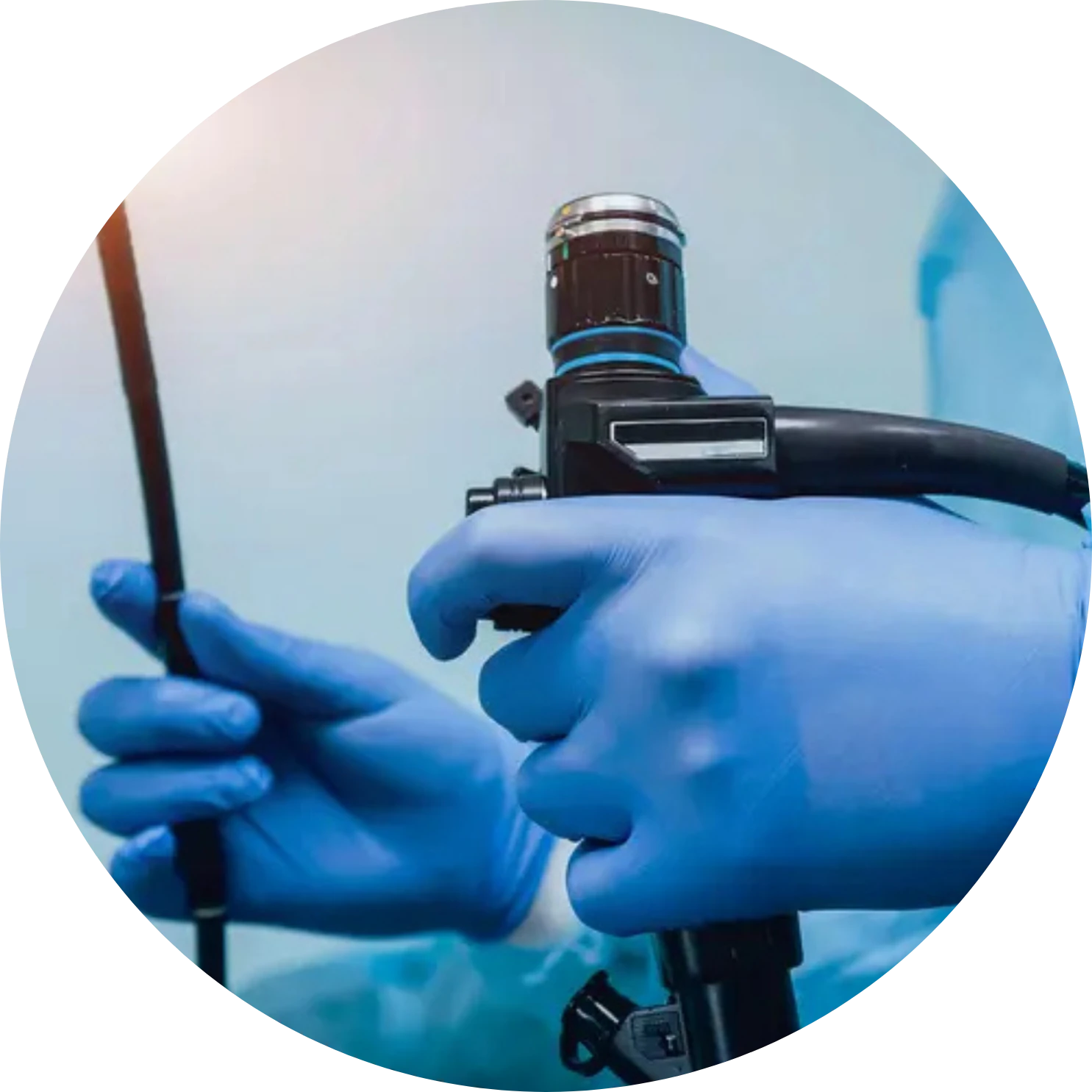
Robotic endoscopy and flexible platforms (GI/ENT)
CMR Surgical Versius
Medtronic Hugo RAS system
Robotic endoscopy and flexible platforms (GI/ENT)
Da Vinci Xi / X / SP
CMR Surgical Versius
Medtronic Hugo RAS system
Robotic endoscopy and flexible platforms (GI/ENT)
Da Vinci Xi / X / SP
CMR Surgical Versius
Medtronic Hugo RAS system
Robotic endoscopy and flexible platforms (GI/ENT)
Da Vinci Xi / X / SP
CMR Surgical Versius
Medtronic Hugo RAS system
Robotic endoscopy and flexible platforms (GI/ENT)
CMR Surgical Versius
Medtronic Hugo RAS system
Robotic endoscopy and flexible platforms (GI/ENT)
Da Vinci Xi / X / SP
CMR Surgical Versius
Medtronic Hugo RAS system
Robotic endoscopy and flexible platforms (GI/ENT)
Da Vinci Xi / X / SP
CMR Surgical Versius
Medtronic Hugo RAS system
Robotic endoscopy and flexible platforms (GI/ENT)
Da Vinci Xi / X / SP
CMR Surgical Versius
Medtronic Hugo RAS system
Robotic endoscopy and flexible platforms (GI/ENT)
Da Vinci Xi / X / SP
CMR Surgical Versius
Medtronic Hugo RAS system
Robotic endoscopy and flexible platforms (GI/ENT)
Da Vinci Xi / X / SP
CMR Surgical Versius
Medtronic Hugo RAS system
Robotic endoscopy and flexible platforms (GI/ENT)
CMR Surgical Versius
Medtronic Hugo RAS system
Robotic endoscopy and flexible platforms (GI/ENT)
Da Vinci Xi / X / SP
CMR Surgical Versius
Medtronic Hugo RAS system
Robotic endoscopy and flexible platforms (GI/ENT)
Da Vinci Xi / X / SP
CMR Surgical Versius
Medtronic Hugo RAS system
Robotic endoscopy and flexible platforms (GI/ENT)

Robotic Foundations: Orientation & Console Introduction
Target Audience:
Residents, early-career surgeons, and OR team members new to robotic technology.
Curriculum Includes:
History and evolution of robotic surgery
Introduction to console and bedside systems
Basic controls, instrument navigation, and endowrist mechanics
Docking and setup principles
Introductory VR simulator modules
Ergonomics and safety
Outcome:
Participants gain hands-on familiarity with robotic systems, developing essential motor control and system literacy.

Core Robotic Skills: Dry Lab & Simulation Training
Target Audience:
Surgeons aiming to build dexterity and bimanual coordination through simulator-based practice.
Modules Include:
Dissection and tissue handling on simulation platforms
Camera control, energy devices, and clutching
Suturing, knot tying, and retraction techniques
Task-based performance metrics (time, precision, economy of motion)
Ergonomic coaching and positioning workshops
Assessment Tools:
GEARS (Global Evaluative Assessment of Robotic Skills)
OSATS (Objective Structured Assessment of Technical Skills)
Outcome:
Readiness to proceed to cadaveric and live tissue environments.
Procedure-Based Cadaveric Training
Target Audience:
Practicing surgeons integrating robotics into their specialty.
Specialty-Focused Tracks:
Urology: Prostatectomy, partial nephrectomy, cystectomy
Gynecology: Hysterectomy, myomectomy, sacrocolpopexy
General Surgery: Hernia repair, colorectal resections, foregut procedures
Thoracic Surgery: Lobectomy, thymectomy
ENT / Head & Neck: Robotic thyroidectomy, TORS
Session Format:
Small group (2:1 trainee-to-robot ratio)
Full procedural rehearsals on Thiel cadavers
Faculty-led proctoring with case review
Hybrid live models for vascular dissection and bleeding simulation
Outcome:
Surgeons achieve procedural competency in a low-risk, high-fidelity environment.

Advanced Robotic Techniques & Complication Management
Target Audience:
Experienced robotic surgeons looking to refine and extend their capabilities.
Training Topics:
Multi-quadrant docking and repositioning
Firefly and fluorescence-guided surgery
Advanced suturing and intracorporeal anastomosis
Bleeding control, adhesion takedown, and critical scenario drills
Strategies for handling system malfunctions and conversion
Program Features:
Case video reviews and peer critique
Custom scenario design based on real cases
Roleplay-based team crisis management
Outcome:
Participants gain mastery in complex robotic procedures and complication avoidance.

Robotic Teaching & Credentialing Programs
Target Audience:
Institutional trainers, department leads, and hospital credentialing boards.
Offerings Include:
Train-the-Trainer Workshops
Robotic Proctor Certification
Credentialing Guidelines Development
In-hospital Training Deployment Models
Simulation-to-OR Pathway Planning
Outcome:
Institutions develop robust internal capacity for robotic growth, safety, and peer training.

Robotic OR Team Training
Success in robotic surgery depends on an entire team, not just the surgeon. Medlab offers full-team simulation modules including:
Docking technician training
Circulator and scrub nurse robotic OR workflows
Anesthesia monitoring in robotic positioning
Crisis communication and non-technical skills
Delivered in full-scale mock OR environments, these sessions improve intraoperative harmony, reduce time delays, and minimize risk.

Performance Assessment & Certification
Each robotic training pathway includes skill measurement using international benchmarks. Certification is issued based on:
Skill demonstration on simulators
Cadaveric performance reviews
Safety checklists
Faculty assessments
Peer debriefing sessions
Certifications Offered:
Robotic Console Surgeon Certification (Level I–III)
Specialty-Specific Robotic Procedure Completion
Robotic Educator Certificate (for trainers)
Faculty Expertise
Our robotic faculty includes regional leaders and internationally certified console surgeons, many of whom are affiliated with:
Society of Robotic Surgery (SRS)
European Robotic Urological Society (ERUS)
American Association of Gynecologic Laparoscopists (AAGL)
Intuitive Surgical Clinical Faculty
King’s College, Cleveland Clinic, and leading UAE institutions
Research & Innovation in Robotics
Medlab partners with medical device companies, academic researchers, and simulation developers to advance robotic surgery through:
AI integration trials
Robotic data analytics
Haptic feedback simulation development
Ergonomic fatigue studies
Performance improvement research
We actively publish and present findings in global robotic surgery forums and are open to collaborative research.