Exponential Global Growth Clinical SuperiorityCredentialing DemandsLearning Curve Challenge
Exponential Global GrowthClinical SuperiorityCredentialing DemandsLearning Curve ChallengeExponential Global GrowthClinical SuperiorityCredentialing DemandsLearning Curve ChallengeExponential Global GrowthClinical SuperiorityCredentialing DemandsLearning Curve Challenge
Clinical SuperiorityCredentialing DemandsLearning Curve ChallengeExponential Global GrowthClinical SuperiorityCredentialing DemandsLearning Curve ChallengeExponential Global GrowthClinical SuperiorityCredentialing DemandsLearning Curve ChallengeExponential Global GrowthClinical SuperiorityCredentialing DemandsLearning Curve ChallengeExponential Global GrowthClinical SuperiorityCredentialing DemandsLearning Curve ChallengeExponential Global GrowthClinical SuperiorityCredentialing DemandsLearning Curve Challenge
Clinical SuperiorityCredentialing DemandsLearning Curve ChallengeExponential Global GrowthClinical SuperiorityCredentialing DemandsLearning Curve ChallengeExponential Global GrowthClinical SuperiorityCredentialing DemandsLearning Curve Challenge
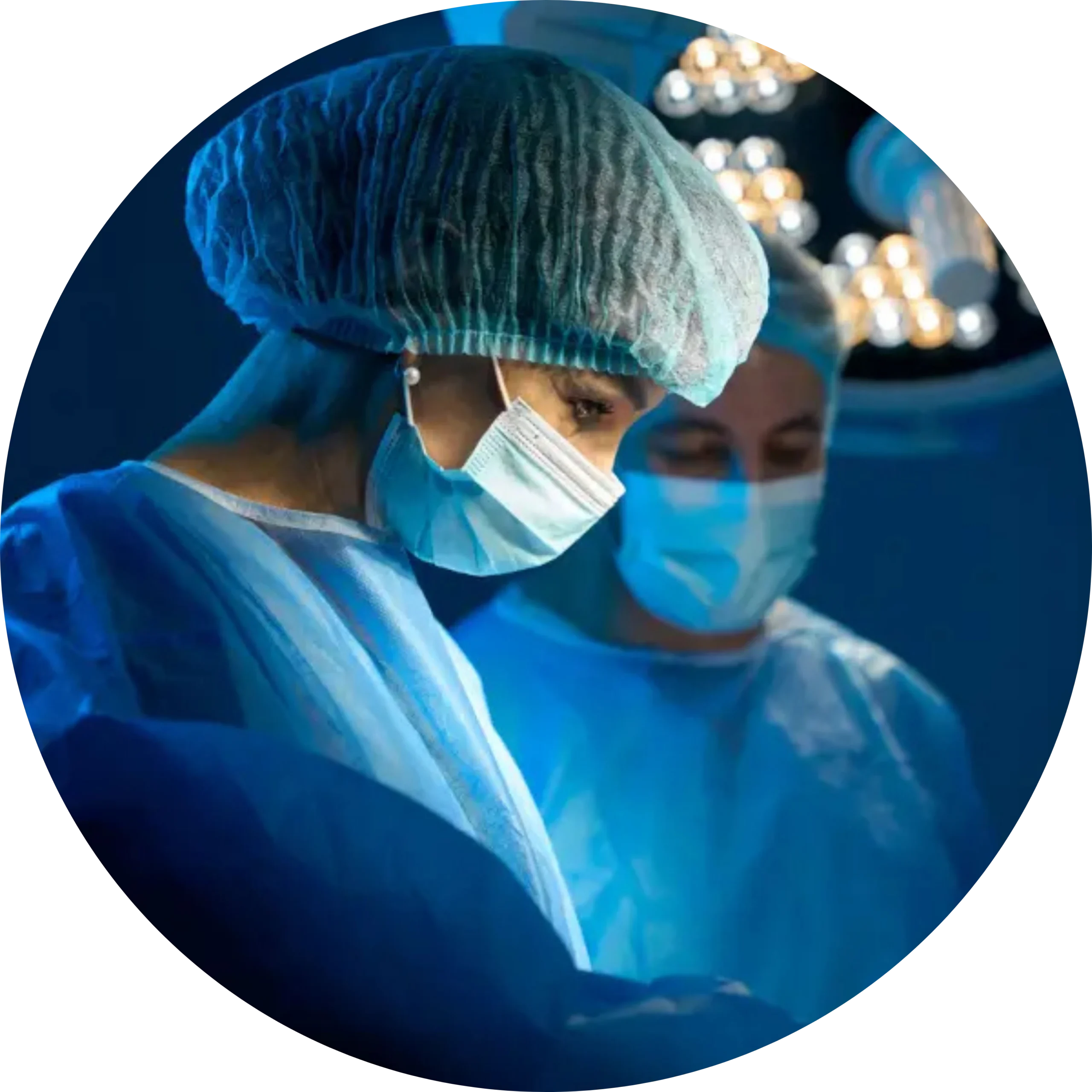
Simulation Training Programs
- Foundational Skill Labs for Medical Students
- Simulation in Residency Assessments (SIMRA)
- Crisis Resource Management Simulations
- Surgical OSCE & Objective Skill Validation Modules
- Team-Based Interprofessional Simulations
Each program includes real-time coaching, video-assisted review, and debrief sessions guided by expert faculty.

Data-Driven Performance Feedback
All simulation stations are equipped with:
- Motion tracking sensors
- Force feedback analytics
- Procedure time logs and error detection
- Competency rubrics and growth charts
These tools generate a personal performance profile for each learner, used for both formative and summative evaluation.
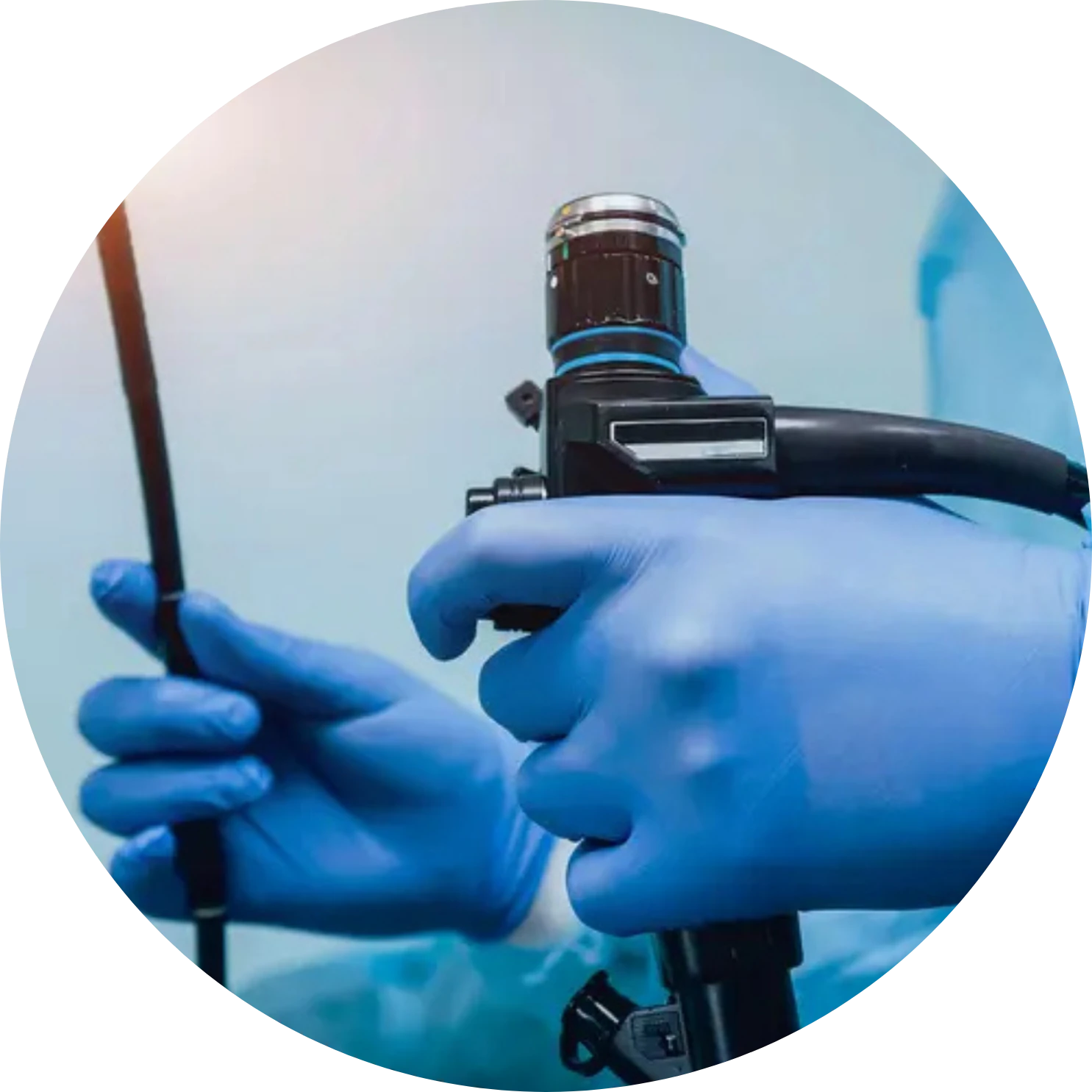
Innovation Through Simulation Research
Our simulation center contributes to global research through:
- Validation studies of new simulators
- Cross-specialty fidelity comparison
- Simulation’s impact on real-world outcomes
- Collaboration with surgical education researchers worldwide
Integration with Cadaver Lab and Live Surgery
Simulation is seamlessly integrated with:
- Pre-cadaveric lab skill preparation
- Rehearsal of complex procedures before live patient surgery
- Bridging gap from virtual to real through stepwise exposure